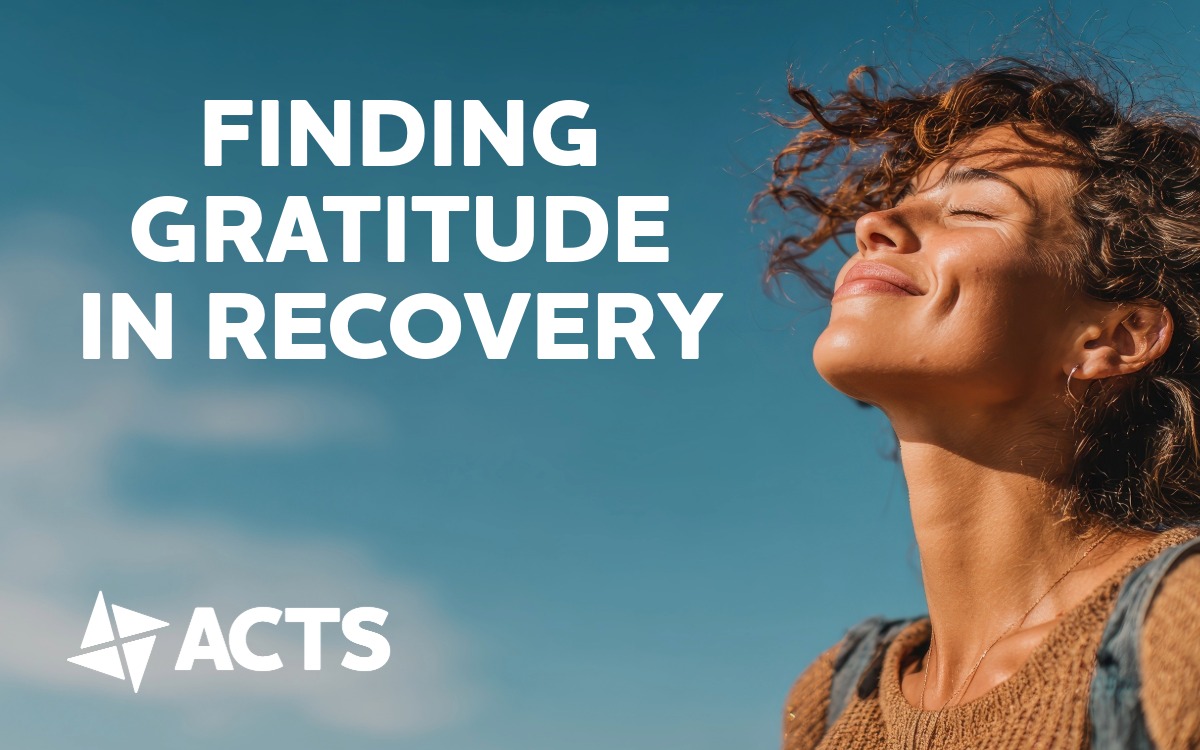
Finding Gratitude in Recovery: Small Steps Toward a Healthier Life
Recovery is a journey filled with challenges, growth, and opportunities for change. Whether you’re working through substance use, managing a mental health condition, or rebuilding after a difficult time, practicing gratitude can help you recognize progress and find encouragement along the way.
Gratitude doesn’t mean ignoring difficult emotions or pretending every day is easy. It’s about noticing the small moments that bring hope, connection, and meaning to your life.
How Gratitude Supports Recovery
Taking time to recognize what you’re grateful for can help you appreciate how far you’ve come. It can also encourage stronger relationships, a more positive perspective, and greater awareness of the support available to you.
4 Simple Ways to Practice Gratitude
1. Celebrate small victories. Recognize everyday progress, whether it’s attending an appointment, reaching out for help, or getting through a challenging day.
2. Connect with others. Thank the people who support your recovery. A simple conversation or message can strengthen meaningful relationships.
3. Notice the little things. Enjoy a favorite song, time outdoors, a good meal, or a moment of peace. Small experiences can make a difference.
4. Give yourself credit. Acknowledge your effort and the courage it takes to keep moving forward. Recovery doesn’t have to be perfect to be meaningful.
Remember, Every Step Counts
Some days, gratitude may feel difficult, and that’s OK. Recovery isn’t a straight line, and you don’t have to force positivity when you’re struggling. Allow yourself to experience your emotions, ask for support when needed, and recognize that progress happens one step at a time.
At ACTS, we believe everyone deserves the opportunity to find hope and foster recovery. If you or someone you love could benefit from mental health or substance use services, visit www.actsfl.org to learn more about our programs and available resources.