
BLOG
Inside ACTS

Mindfulness in the Heat of the Moment
Summer can be a season of warmth, freedom, and fun—but it can also bring high stress, emotional triggers, and moments where cravings or frustration feel overwhelming. Whether it’s the physical heat or the emotional intensity of the moment, having the right tools to stay grounded is essential in recovery.
One powerful tool is mindfulness.
What Is Mindfulness?
Mindfulness is the practice of paying attention to the present moment without judgment. It means noticing what you’re feeling, thinking, or sensing—right now—and responding with calm and clarity instead of reactivity.
For people in recovery, mindfulness can:
- Help reduce cravings
- Lower anxiety and depression
- Improve emotional regulation
- Increase self-awareness
- Support long-term sobriety
The “Heat of the Moment” Triggers
Stressful summer situations can sneak up quickly:
- Feeling out of place at a family BBQ
- Conflict with a loved one
- Boredom or loneliness during unstructured time
- Sudden cravings on a hot day
Instead of reacting impulsively, pause – and turn to mindfulness.
Quick Mindfulness Tools You Can Use Anywhere
1. 5-4-3-2-1 Grounding Technique
Name:
- 5 things you see
- 4 things you can touch
- 3 things you hear
- 2 things you can smell
- 1 thing you can taste
This simple exercise helps bring you out of your head and back into the present moment.
2. Cold Water Reset
Literally cool down with mindfulness.
- Splash cold water on your face
- Hold a cold bottle or ice cube
- Run your hands under cold water
This activates your body’s calming response and can quickly interrupt a craving or moment of panic.
3. Focused Breathing
Try this anywhere, anytime:
- Inhale slowly for a count of 4
- Hold for 4
- Exhale for 4
- Hold for 4
(Also called “box breathing”)
Just 1–2 minutes of focused breathing can regulate your nervous system and help you make clear, calm choices.
4. Label Your Feelings
Say to yourself:
“I’m feeling ___ right now. And that’s okay.”
By naming what you’re experiencing (“anxious,” “angry,” “overwhelmed”), you take away its power and allow yourself space to respond rather than react.
Practice Makes Progress
Mindfulness isn’t about perfection – it’s about pausing. The more you practice, the easier it becomes to use in tough situations.
Whether you’re on a recovery walk, sitting in a support group, or facing a summer social event that feels overwhelming, you always have access to the present moment.
If you’re looking for support this summer, ACTS is here for you.
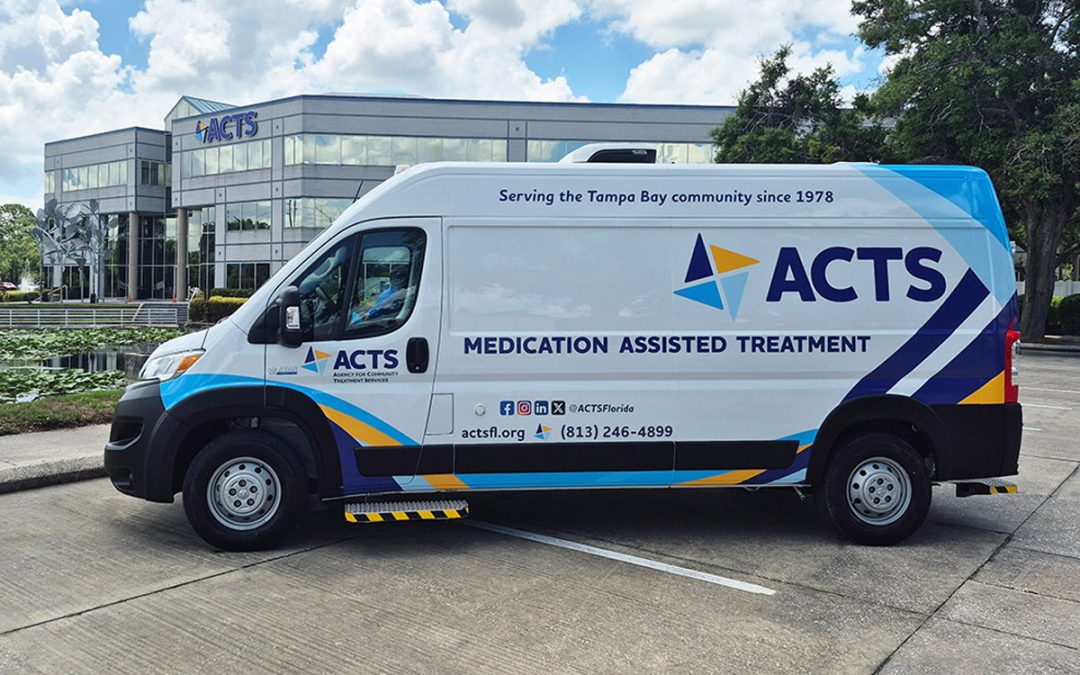
Myths About Medication-Assisted Treatment (MAT), Debunked
Medication-Assisted Treatment (MAT) is one of the most effective tools we have to treat opioid and alcohol use disorders. Yet, despite strong scientific support and proven results, MAT is still widely misunderstood.
Let’s set the record straight by debunking some of the most common myths about MAT—and showing how it can be a life-saving part of recovery.
MYTH #1: “You’re just trading one addiction for another.”
TRUTH:
MAT is not replacing one addiction with another—it’s providing medical support to help people recover.
Medications like methadone, buprenorphine (Suboxone), and naltrexone (Vivitrol) help reduce cravings and withdrawal symptoms, giving people the stability they need to focus on healing.
Just like insulin helps people manage diabetes, MAT helps manage addiction. Recovery is not one-size-fits-all—and for many, medication is a vital part of the journey.
MYTH #2: “MAT is only for people who can’t stay sober on their own.”
TRUTH:
MAT is a clinical best practice, not a last resort.
Research shows that combining MAT with counseling and behavioral therapy significantly increases the chances of long-term recovery. People who use MAT are more likely to stay in treatment and less likely to relapse.
Using MAT is a sign of commitment to recovery, not weakness.
MYTH #3: “People on MAT aren’t really sober.”
TRUTH:
Sobriety means living free from the harms of addiction.
MAT helps stabilize brain chemistry so individuals can function normally and rebuild their lives. When used as prescribed under medical supervision, these medications do not produce a high – they support recovery, not hinder it.
Recovery looks different for everyone, and MAT is a valid, life-affirming path.
MYTH #4: “MAT should only be short-term.”
TRUTH:
There is no one-size-fits-all timeline for recovery.
Some people may benefit from MAT for a few months. Others may need it for several years—or longer. Ending MAT too early can increase the risk of relapse. Length of treatment should be based on the individual’s needs, not arbitrary deadlines or outside pressure.
MYTH #5: “MAT isn’t available to everyone who needs it.”
TRUTH:
Access to MAT has expanded significantly in recent years, and programs like ACTS offer it as part of a comprehensive treatment plan.
If you or someone you know is struggling with substance use, help is available—and MAT may be part of the solution.
Recovery with MAT is Still Recovery
Stigma and misinformation keep people from getting the help they need. But the evidence is clear:
MAT saves lives, reduces overdose risk, and supports long-term recovery.
At ACTS, we offer MAT as part of our person-centered approach to substance use treatment. Our team works with each client to determine the right combination of support, therapy, and medication for their recovery goals.
You Deserve Support That Works
If you’re considering treatment—or just looking for more information – reach out. MAT might be the tool that helps you or your loved one move forward.
Recovery is possible. And you don’t have to do it alone. Call 813.367.2565 for more information about our MAT program.
Inside ACTS
Latest Articles
No Results Found
The page you requested could not be found. Try refining your search, or use the navigation above to locate the post.