
BLOG
Inside ACTS

10 Common Mental Health Warning Signs
What to watch for—and why it matters
At ACTS, we believe in the power of early support, open conversation, and compassionate care. Mental health is something we all have, and just like physical health, it deserves attention, understanding, and respect.
During Mental Health Awareness Month, we want to help break down stigma and share tools that can make a difference. Recognizing when someone may be struggling—whether it’s a friend, family member, coworker, or yourself—can be the first step toward healing and hope.
Here are 10 common signs that someone may be experiencing a mental health challenge:
1. Feeling sad or withdrawn
Persistent sadness, hopelessness, or a loss of interest in things that once brought joy may signal something more than just a “bad day.”
2. Extreme mood changes
Unexplained mood swings or intense emotional reactions can indicate an underlying issue like anxiety, depression, or trauma.
3. Excessive fears or worries
When worry starts to feel constant or overwhelming, it may be time to talk to someone. Anxiety is common—and treatable.
4. Difficulty concentrating
Struggling to focus, complete tasks, or remember things can be a sign of mental exhaustion or distress.
5. Changes in sleep patterns
Sleeping too much, too little, or experiencing disrupted sleep can take a toll on mental and physical health.
6. Changes in appetite or eating habits
Sudden changes in eating—either loss of appetite or overeating—may be linked to emotional stress or underlying conditions.
7. Withdrawing from social activities
Pulling away from friends, family, or community can be a sign that someone is feeling overwhelmed, anxious, or depressed.
8. Increased substance use
Using drugs or alcohol more frequently—or to cope with emotions—may signal a deeper issue that needs attention and support.
9. Constant fatigue or lack of energy
Feeling drained or unmotivated, even after rest, can be a symptom of burnout, depression, or emotional overload.
10. Thoughts of self-harm or suicide
Talking about feeling hopeless, being a burden, or wanting to disappear are serious signs. If you or someone you know is feeling this way, don’t wait—help is available.
You Are Not Alone
At ACTS, we meet people where they are – with dignity, compassion, and understanding. If you recognize these signs in yourself or someone else, we encourage you to reach out. Talk to a trusted person, connect with a counselor, or contact a local crisis line like 988.
Mental health challenges are common – but so is recovery. Together, we can reduce stigma, offer support, and remind each other: there is always hope.
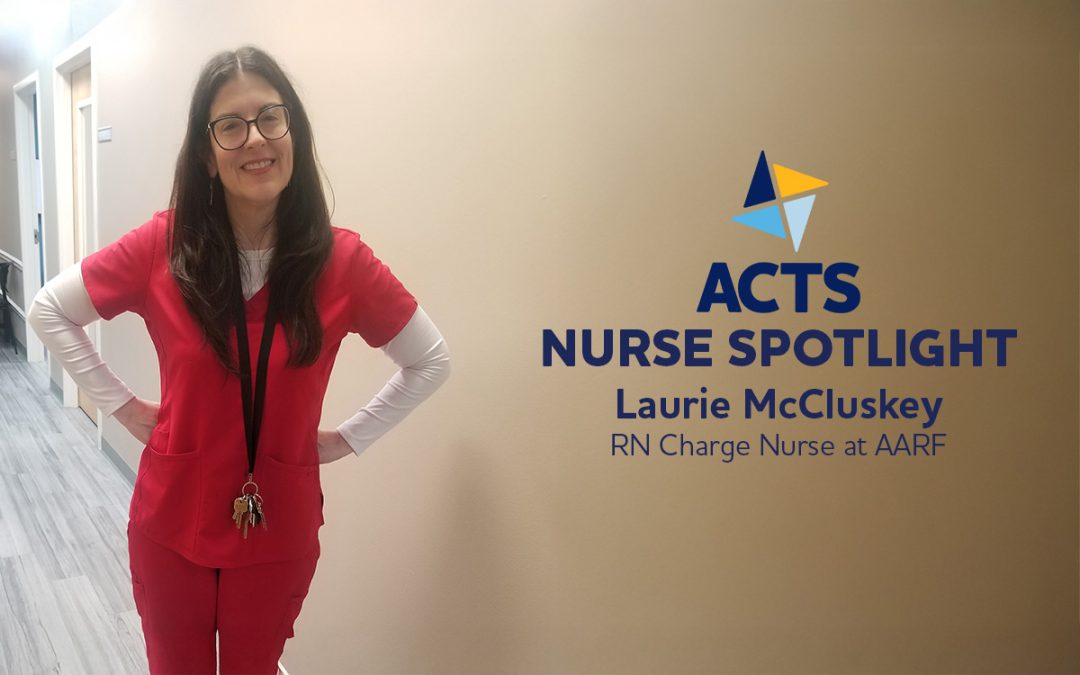
Nurse Spotlight
Spotlight on Laurie McCluskey, RN Charge Nurse at AARF
Laurie McCluskey has been a cornerstone of care at ACTS for the past eight years. As the RN Charge Nurse at the Adult Addictions Receiving Facility (AARF) in Tampa, Laurie wears many hats – supervising nursing staff across AARF, the Juvenile Addictions Receiving Facility (JARF), and the Medication-Assisted Treatment (MAT) program. She also manages scheduling, orders medications and supplies, handles critical reports, and even teaches classes on medication administration.
Her role is vital in maintaining smooth operations across the facilities, where the adult program can serve up to 30 individuals and JARF can house up to 10 juveniles, ages 12 to 17. Most individuals stay 3–5 days, though stays are occasionally extended based on clinical need or program availability.
Laurie notes that while many adult clients are detoxing from alcohol or opioids, most juveniles come in for marijuana use. Some clients return home or to the streets post-detox, while others transition to programs like Keystone, Nebraska Residential, Wraparound, or external providers like The Cove and Salvation Army.
One of Laurie’s most meaningful stories is also one of the smallest victories – a voluntary client at the AARF, anxious and shaky upon intake, received early medication that allowed him to stay, complete his intake and he successfully completed his protocol and was picked up by his brother, ready to take the next step in recovery.
Laurie reflects on the move from the old detox facility to their current location as a game-changer, offering more space and collaboration between AARF and JARF staff. When asked what she loves most about her work, Laurie doesn’t hesitate: “Helping those who’ve lost everything – who see us as their last beacon of hope. And working alongside nurses and staff who truly care.”
Laurie also wishes more people understood that addiction is a brain-altering condition, and that recovery is rarely a straight path. ACTS supports clients through relapses with empathy and offers tools like the MAT program – which includes Vivitrol, Suboxone, and Sublocade – to aid in long-term recovery. She emphasizes, “NARCAN saves lives, and we offer it free to anyone who walks through our doors.”
Her advice to those considering treatment? “Don’t lose hope. It’s okay to come back. We’re just glad you’re reaching out.”
Thank you, Laurie, for your unwavering dedication and the difference you make every day.
Inside ACTS
Latest Articles
No Results Found
The page you requested could not be found. Try refining your search, or use the navigation above to locate the post.