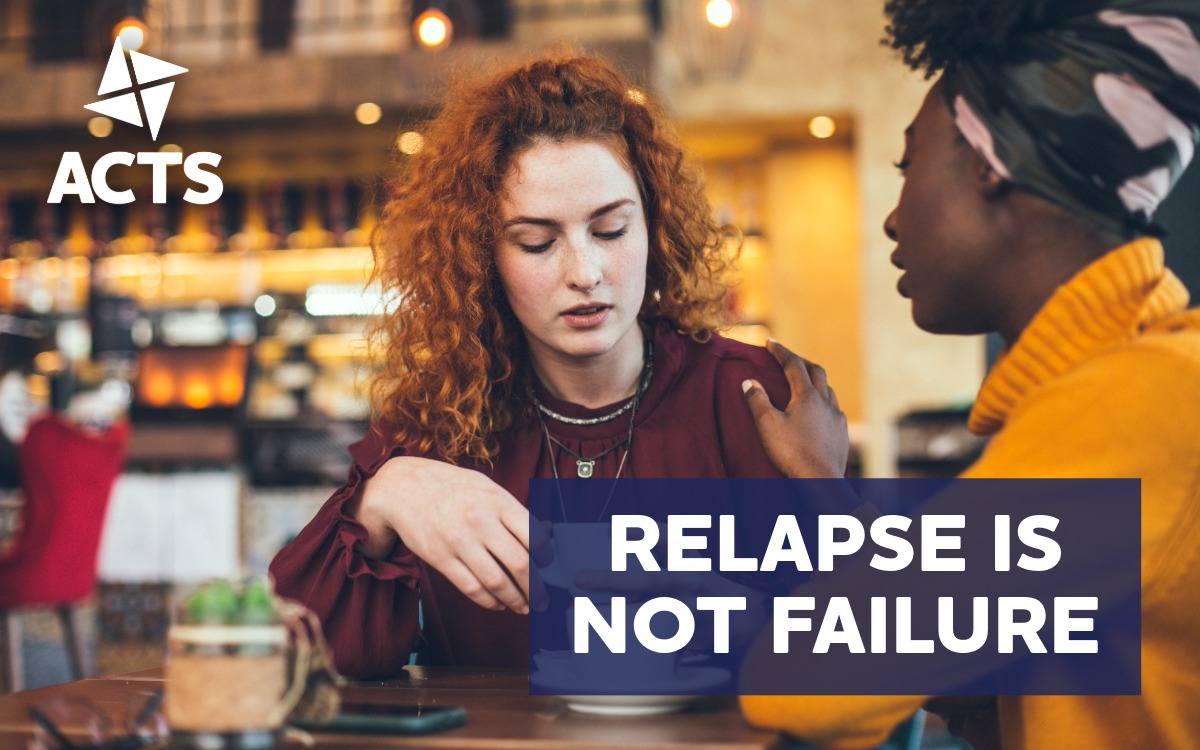
Relapse can feel discouraging, but it’s important to understand this truth: relapse is not failure. For many people, setbacks are a part of the recovery process – not a sign that recovery isn’t possible.
Substance use disorder is a chronic health condition, and like many health conditions, symptoms can return at times. What matters most is how a person responds after a setback and whether they have the support they need to move forward.
Understanding Relapse in Substance Use Recovery
Relapses do not erase progress. The coping skills learned, the time spent in treatment, and the strength built during recovery still matter. A setback can provide valuable insight into triggers, stressors, or unmet needs that may require additional support.
Recovery is not a straight line. It is a process of learning, adjusting, and continuing forward—sometimes with added tools or care.
Why Shame After Relapse Can Be Harmful
Shame is one of the biggest obstacles after a relapse. Feelings of guilt or embarrassment can prevent people from reaching out for help, increasing the risk of ongoing substance use.
Recovery thrives in connection, not isolation. Compassionate, non-judgmental support helps people re-engage in treatment and rebuild confidence after a setback.
What to Do After a Relapse
If a relapse occurs, taking prompt and supportive steps can help someone get back on track:
- Reach out for help immediately. Contact a treatment provider, counselor, peer support, or trusted loved one.
- Be honest and kind to yourself. Focus on understanding what happened instead of assigning blame.
- Identify triggers. Common triggers include stress, mental health symptoms, changes in routine, or lack of support.
- Adjust your recovery plan. This may include increased counseling, medication-assisted treatment (MAT), peer support, or structured programming.
- Practice self-compassion. Recovery is built through persistence, not perfection.
Relapse Prevention Starts With Support
Effective relapse prevention focuses on strengthening coping skills, addressing mental health needs, and building a strong support system. Integrated treatment that addresses both substance use and mental health can reduce future setbacks and support long-term recovery.
At ACTS, services are designed to meet people where they are and support each stage of recovery with dignity and respect.
Help Is Always Available
Recovery is possible at every stage. If you or someone you love is struggling with substance use or are experiencing a setback, ACTS is here to help with compassionate, evidence-based care.