
BLOG
Inside ACTS

Creating a Summer Self-Care Routine That Works for You
Creating a Summer Self-Care Routine That Works for You
Summer can bring longer days, vacations, social events, and changes in routine — but it can also bring stress, burnout, loneliness, or challenges with mental health and substance use recovery. Creating a self-care routine that fits your lifestyle can help you stay balanced, healthy, and supported throughout the season.
Self-care looks different for everyone. The key is finding small habits and healthy coping strategies that work for you and your personal goals.
5 Ways to Build a Summer Self-Care Routine
1. Stick to a Healthy Routine – Summer schedules can quickly become busy or inconsistent. Try to maintain regular sleep, meals, hydration, and daily routines to support both physical and mental well-being. Structure can also be helpful for individuals managing stress, anxiety, depression, or substance use recovery.
2. Spend Time Outdoors – Fresh air, sunlight, and physical activity can positively impact mood and reduce stress. Whether it’s taking a walk, visiting a park, gardening, or spending time with loved ones outside, small moments outdoors can support emotional wellness.
3. Set Healthy Boundaries – Summer events and social gatherings may sometimes feel overwhelming or triggering. It’s okay to say no, leave situations that make you uncomfortable, or prioritize environments that support your mental health and recovery goals.
4. Stay Connected to Support Systems – Maintaining connections with supportive friends, family, peer groups, counselors, or recovery communities can make a big difference. You do not have to navigate stress, mental health challenges, or recovery alone.
5. Make Time for Activities You Enjoy – Self-care can include hobbies, relaxation, creativity, exercise, mindfulness, or simply taking time to rest. Doing activities that bring you joy can help reduce stress and improve overall well-being.
Support Is Available
Taking care of your mental health is important during every season. At ACTS, we provide compassionate support for individuals experiencing mental health and substance use challenges.
To learn more about ACTS programs and services, visit www.actsfl.org or give us a call at 813.246.4899.
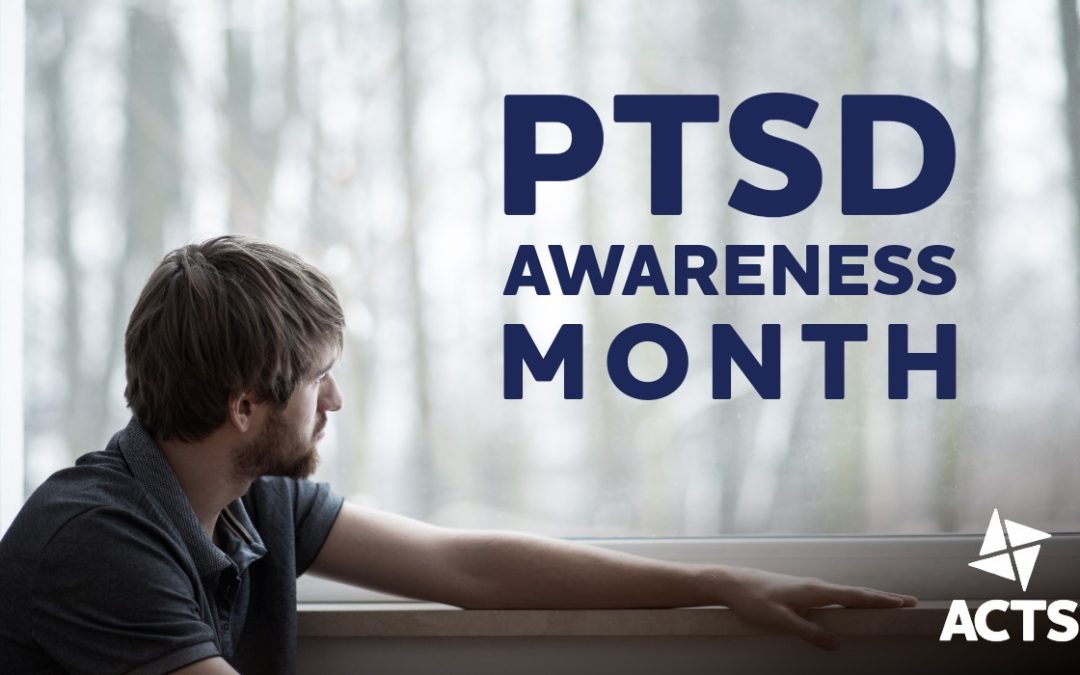
PTSD Awareness Month: 5 Ways to Show Support
PTSD Awareness Month: 5 Ways to Show Support
Every June, communities across the country recognize PTSD Awareness Month, a time dedicated to raising awareness about Post-Traumatic Stress Disorder (PTSD), reducing stigma, and encouraging people to seek help and support. PTSD can affect anyone who has experienced or witnessed a traumatic event, including veterans, first responders, survivors of violence, accidents, abuse, or other difficult life experiences.
PTSD can also occur alongside mental health and substance use challenges, making compassionate support and access to care especially important. Symptoms may include anxiety, flashbacks, nightmares, mood changes, avoidance, and difficulty concentrating.
PTSD Awareness Month reminds us that recovery is possible and that support from family, friends, and the community can make a meaningful difference.
5 Ways to Show Support
1. Learn More About PTSD
Taking time to understand PTSD can help reduce stigma and misconceptions. Learning about trauma, mental health, and substance use challenges can help you better support others with empathy and compassion.
2. Listen Without Judgment
Sometimes the best support is simply listening. Allow people to share their experiences at their own pace without minimizing their feelings or pressuring them to “move on.”
3. Encourage Professional Support
PTSD is treatable, and many people benefit from counseling, peer support, or behavioral health services. Encouraging someone to seek help can be an important step toward healing and recovery.
4. Practice Patience and Understanding
Recovery looks different for everyone. Some days may be harder than others, so patience, kindness, and understanding can help someone feel supported and safe.
5. Raise Awareness
Sharing educational resources and talking openly about mental health, trauma, and substance use can help reduce stigma and remind others that they are not alone.
ACTS Is Here to Help
At ACTS, we understand the impact trauma, mental health conditions, and substance use disorders can have on individuals and families. Our programs provide compassionate support and services to help people find hope, healing, and recovery.
If you or someone you know needs support, learn more about ACTS and available services at www.actsfl.org.
Inside ACTS
Latest Articles
Managing Holiday Stress: Tips for Mental Health and Wellness
The holiday season is a time of joy—but it can also bring stress, anxiety, and loneliness. At ACTS, we understand the importance of supporting...
The Thoughtful Gift: Supporting a Loved One in Recovery This Holiday Season
The holiday season is a time for celebration, connection, and giving - but for someone in recovery from a substance use disorder, gifts can carry...
Staying Sober This Thanksgiving
Tips from ACTS The holidays can be a joyful time of family, friends, and celebration—but for those in recovery, they can also bring stress and...
FAQ: Should I Go to Treatment Before or After the Holidays?
The holidays can be a joyful time, but they can also be stressful - especially for those managing substance use or mental health challenges. Many...
ACTS Clubhouse Celebrates Two Years of Community, Growth, and Recovery
This November marks two years since ACTS Clubhouse first opened its doors in Tampa — two years of building community, fostering hope, and supporting...