
BLOG
Inside ACTS
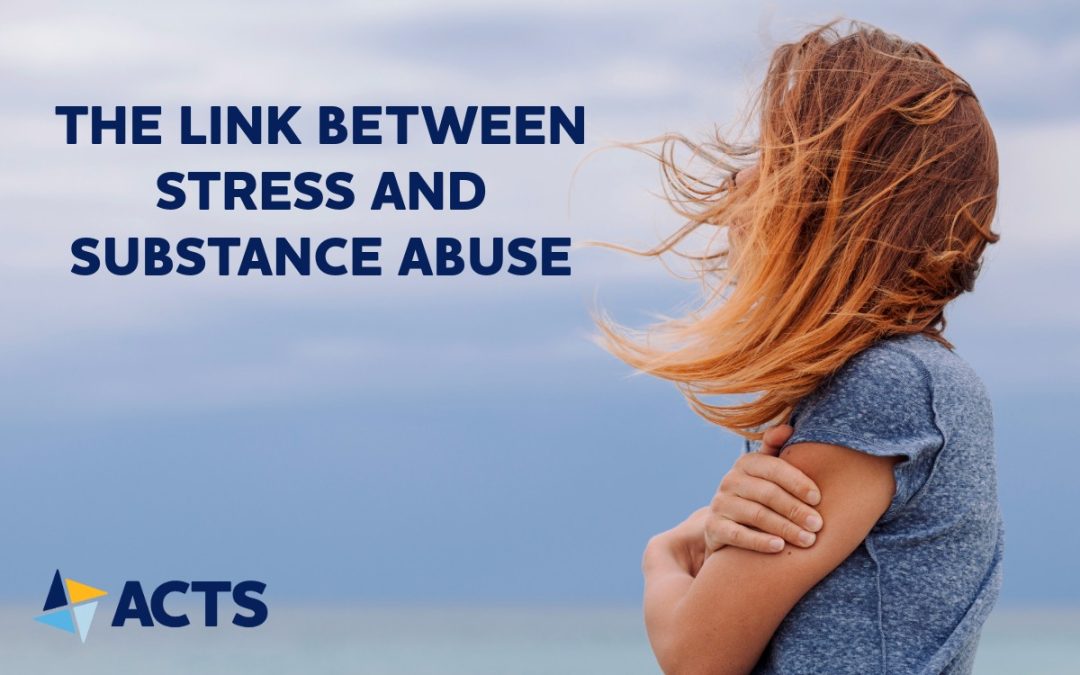
The Connection Between Stress and Substance Use
The Connection Between Stress and Substance Use
Stress is a normal part of life, but when it becomes overwhelming or long-lasting, it can take a toll on both physical and mental health. For individuals in recovery from substance use disorders, chronic stress can also increase the risk of relapse if it isn’t managed in healthy ways.
Understanding how stress affects the brain, recognizing personal triggers, and building healthy coping skills are important steps in protecting long-term recovery.
How Chronic Stress Affects the Brain
When we’re under stress, the body releases hormones like cortisol and adrenaline as part of the “fight-or-flight” response. While this response is helpful during short-term challenges, ongoing stress can affect the parts of the brain responsible for decision-making, emotional regulation, and impulse control.
For individuals with a history of substance use, chronic stress may:
- Increase cravings for alcohol or drugs
- Make it more difficult to manage emotions
- Reduce the ability to cope with everyday challenges
- Increase feelings of anxiety, depression, or irritability
- Make healthy routines harder to maintain
These changes don’t mean recovery is failing—they’re a reminder that stress needs to be addressed before it becomes overwhelming.
Recognizing Your Triggers
Everyone experiences stress differently. Learning to identify personal triggers can help prevent stress from leading to unhealthy behaviors.
Common triggers include:
- Financial concerns
- Relationship conflicts
- Work or school pressures
- Health issues
- Loneliness or isolation
- Major life changes
- Holidays or family gatherings
- Lack of sleep or poor self-care
Keeping a journal or taking a few moments each day to check in with your emotions can help you recognize patterns before they become overwhelming.
Healthy Ways to Manage Stress
Managing stress doesn’t mean eliminating it completely – it means responding to it in healthy, productive ways.
Some strategies include:
- Stay physically active, even with a short daily walk.
- Practice deep breathing, meditation, or mindfulness exercises.
- Maintain a regular sleep schedule.
- Eat balanced meals and stay hydrated.
- Spend time outdoors or in nature.
- Stay connected with supportive friends, family members, or peers.
- Continue attending counseling, recovery meetings, or treatment appointments.
- Make time for hobbies and activities you enjoy.
Even small, consistent habits can help improve resilience and reduce the effects of stress over time.
Reach Out Before Stress Leads to Relapse
One of the most important things to remember is that you don’t have to wait until you’re in crisis to ask for help. If stress begins to feel overwhelming, reach out to someone you trust—a counselor, sponsor, peer, family member, or healthcare provider.
Recovery is not about facing challenges alone. Having a support system in place can make all the difference during stressful times.
ACTS Is Here to Help
At ACTS, we understand that stress is part of life, but it doesn’t have to derail recovery. Our comprehensive continuum of care includes outpatient services, residential treatment, Medication-Assisted Treatment (MAT), counseling, recovery support, and peer services designed to help individuals build healthy coping skills and maintain long-term recovery.
If you or someone you know is struggling with substance use or needs additional support, ACTS is here to help. With the right tools, support, and treatment, recovery is possible—one day at a time.

Stress Management During Busy Seasons: Finding Balance When Life Gets Overwhelming
Stress Management During Busy Seasons: Finding Balance When Life Gets Overwhelming
Busy seasons can bring new opportunities and excitement, but they can also create added stress. Balancing work, school, family responsibilities, and personal goals can sometimes feel overwhelming. Learning healthy ways to manage stress can help protect your mental health, support your recovery, and build resilience during challenging times.
Managing Work, School, and Family Demands
When life gets busy, it is important to make time for your own well-being. Small changes can make a big difference:
Set realistic priorities. Focus on what needs immediate attention and break larger tasks into smaller, manageable steps.
Create a routine. A consistent schedule can provide structure and help you balance responsibilities with time for rest and self-care.
Set healthy boundaries. It is okay to say no when your schedule becomes too full. Protecting your time and energy helps you focus on what matters most.
Reach out for support. Connecting with friends, family, peers, or professionals can provide encouragement and help you navigate stressful times.
Healthy Ways to Relieve Stress
Everyone experiences stress differently, but healthy coping strategies can help you stay balanced. Consider:
- Practicing mindfulness or deep breathing
- Staying active with movement or exercise
- Getting enough sleep and maintaining healthy routines
- Spending time with supportive people
- Making time for hobbies and activities you enjoy
For those in recovery, managing stress is especially important. Stress can increase the risk of cravings or returning to unhealthy coping behaviors. Staying connected to your support system and reaching out early when challenges arise can help you stay on track.
When to Seek Professional Help
Sometimes stress can become difficult to manage alone. Consider reaching out for support if you experience ongoing feelings of anxiety, sadness, hopelessness, difficulty completing daily tasks, changes in sleep or appetite, or increased substance use as a way to cope.
Seeking help is a sign of strength. Mental health professionals can provide guidance, resources, and support to help you through difficult seasons.
ACTS Is Here to Support You
At Agency for Community Treatment Services (ACTS), we understand that life’s challenges can feel overwhelming. Our compassionate team provides services to support individuals and families through every stage of recovery, including mental health services, substance use treatment, crisis care, outpatient services, medication-assisted treatment, housing support, and recovery-focused programs.
No matter what season you are facing, support is available. Taking one small step toward managing stress today can help create a healthier tomorrow.
If you or someone you know needs support, ACTS is here to help.
Inside ACTS
Latest Articles
Five Myths About Mental Health—Debunked
Five Myths About Mental Health—Debunked Each May, Mental Health Awareness Month gives us an opportunity to learn more, speak openly, and challenge...
Understanding the Connection Between Mental Health and Substance Use Disorders
Understanding the Connection Between Mental Health and Substance Use Disorders Mental health and substance use are closely connected, yet this...
Five Small Ways to Support Your Mental Health Every Day
Five Small Ways to Support Your Mental Health Every Day Taking care of your mental health doesn’t always require big changes. In fact, it’s often...
How Families Play a Role in Recovery Journeys
How Families Play a Role in Recovery Journeys Honoring Support and Hope this Mother’s Day Recovery from mental health challenges and substance use...
Myths vs. Facts About Alcohol Use
Myths vs. Facts About Alcohol Use Alcohol is one of the most commonly used substances, which can make it easy for misinformation to spread....